Procurement officers and warehouse managers often find their sourcing projects stalled by rigid Minimum Order Quantity (MOQ) requirements. This friction usually stems from a misunderstanding of industrial weaving economics and machine setup costs. This guide deconstructs the logic behind minimum order quantity for custom towels in China, providing you with the technical leverage to negotiate better terms, optimize your supply chain, and ensure your custom specifications are met with industrial precision.
1. The Mechanical Foundations: Why MOQ Exists in Textile Production
Machine Setup and Calibration Overhead
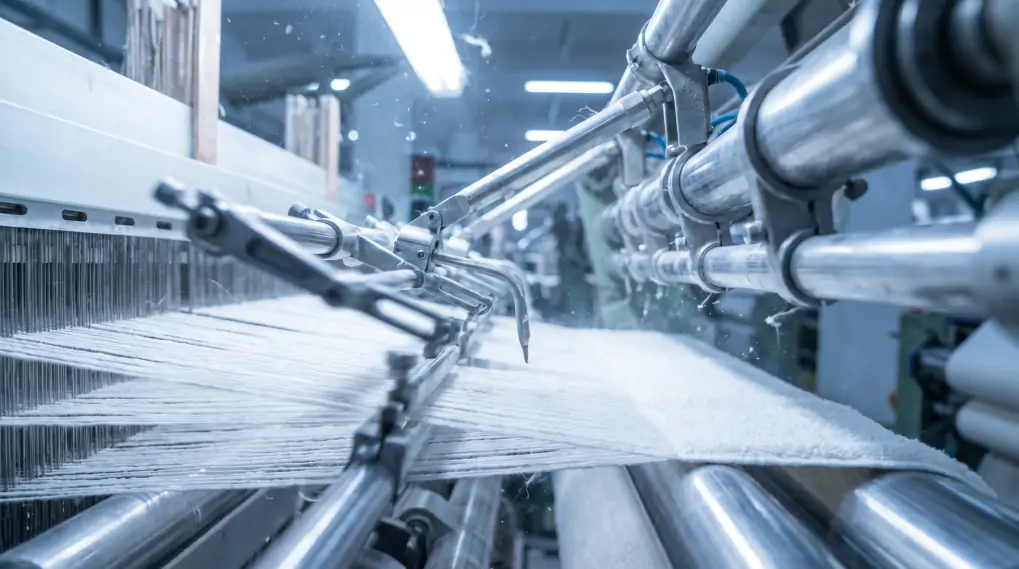
In a Tier-1 custom towel factory in China, the initiation of a production run involves significant downtime for machine calibration. Whether it is a rapier loom or an air-jet loom, setting the warp and weft tension for a specific GSM (Grams per Square Meter) takes hours of specialized labor. This "setup cost" must be amortized across a minimum number of units to maintain cost-efficiency.
The industrial reality is straightforward: every time a production line switches from one specification to another, the machinery requires recalibration. For high-speed air-jet looms operating at 500+ picks per minute, even a two-hour setup window represents substantial opportunity cost. Factory managers therefore establish minimum order quantity for custom towels in China thresholds to ensure each production run justifies this operational overhead.
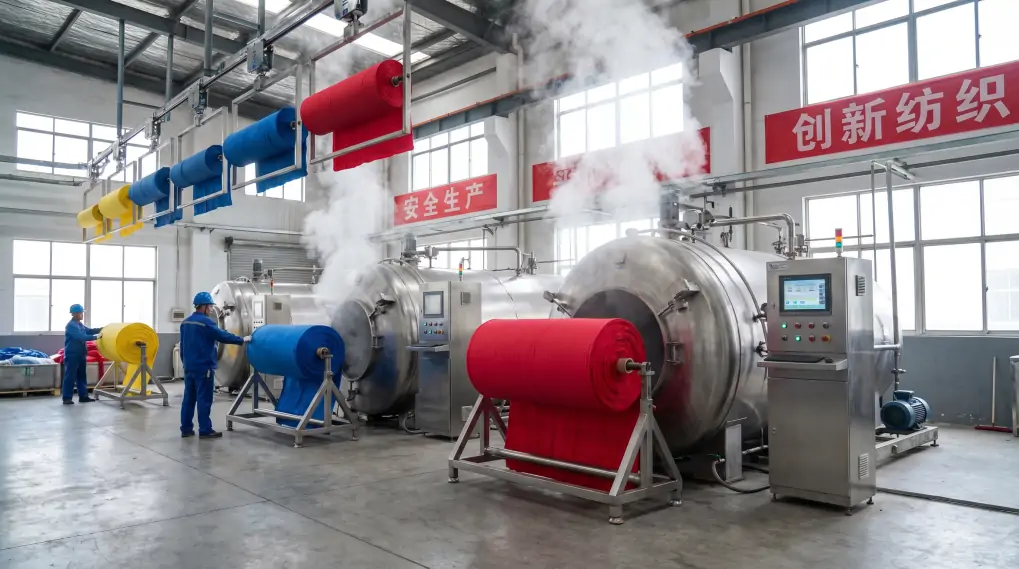
Yarn Dyeing and Vat Capacity Constraints
Dyeing is a chemical process limited by the physical volume of the vat. If a procurement request falls below the vat's minimum operational capacity, the chemical consistency and colorfastness (Grade 4.0+) cannot be guaranteed. Most industrial dyeing vats in Chinese textile facilities have a minimum working volume of 200-300 kilograms of yarn.
Understanding this constraint allows procurement professionals to plan their bulk towel manufacturing orders strategically. By consolidating color requirements or utilizing stock yarn colors, buyers can often achieve lower MOQ thresholds while maintaining design flexibility.
Material Waste Ratios in Short-Run Production
Industrial textile production inevitably generates material waste during startup and shutdown phases. When production runs are too short, the waste ratio becomes economically unviable. The standard industry benchmark considers a production run successful when material waste stays below 3% of total input.
For wholesale towel manufacturer MOQ requirements, this means that shorter runs bear a higher per-unit waste cost. A 500-unit order might include 15-20 units of waste allowance, while a 5,000-unit run typically keeps absolute waste numbers similar despite the larger volume.
Need Technical Specifications for Your Project?
Our engineering team can help you navigate the complexities of industrial textile production.
Download Technical Textile Catalog2. Customization Depth vs. MOQ Thresholds
Logo Integration: Embroidery vs. Jacquard Weaving
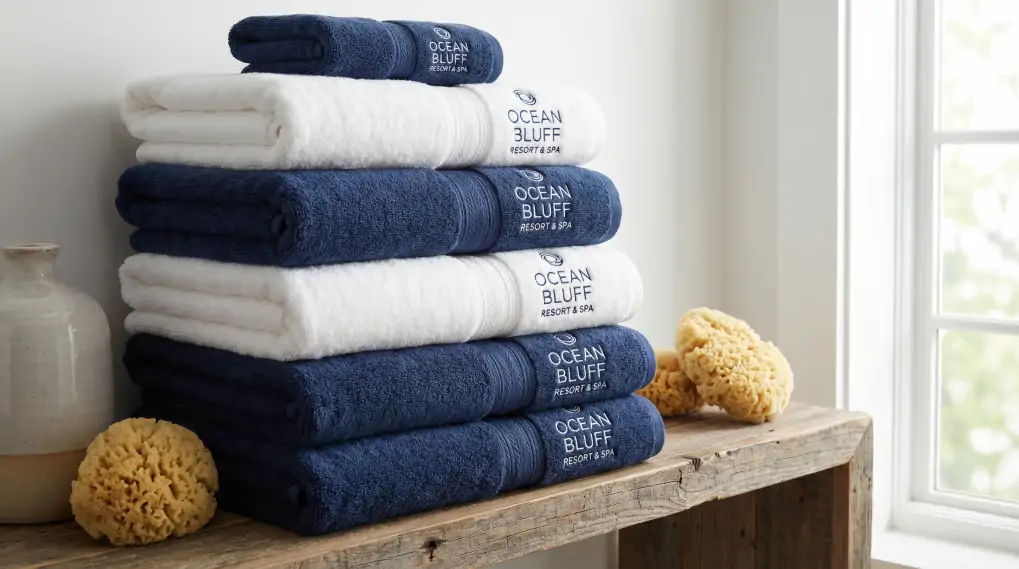
The method of branding dictates the minimum order quantity for custom towels in China. Custom logo embroidery often allows for lower minimums (e.g., 500 units) because it is a post-production process. In contrast, Jacquard weaving, where the logo is built into the fabric structure, requires a full loom setup, typically pushing MOQs to 1,000–3,000 units.
For OEM towel factory MOQ programs, choosing embroidery can provide significant flexibility. However, Jacquard weaving offers superior durability and a premium appearance that justifies higher volumes for established hospitality brands.
Size and Dimension Variations in Bulk Batches
Managing size variations within a single production run requires careful coordination. Common bath towel sizes include 27"x54", hand towels at 16"X27", and washcloths at 12"X12". Each size change may require loom reconfiguration or additional cutting and hemming operations.
Strategic procurement teams often consolidate their size requirements into a single "standard set" to qualify for better bulk pricing. The EAV model below outlines how different specifications affect your procurement strategy.
Specialty Yarn Selection (Bamboo, Recycled Polyester, GRS)
Sustainability certifications are increasingly driving private label towel production limits discussions. GRS (Global Recycled Standard) polyester and bamboo-cotton blends often carry higher minimum orders due to smaller supplier pools and specialized processing requirements.
However, the premium pricing potential in sustainable hospitality products often justifies these higher thresholds. For buyers focused on wholesale textile sourcing, understanding the trade-off between MOQ and market positioning is crucial.
3. Material Science: How Fiber Sourcing Influences Minimums
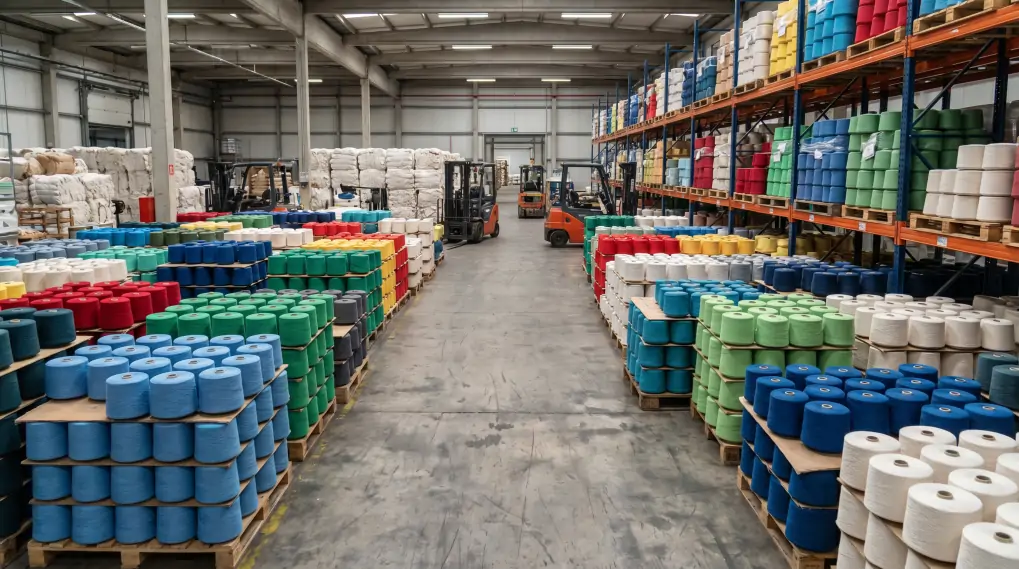
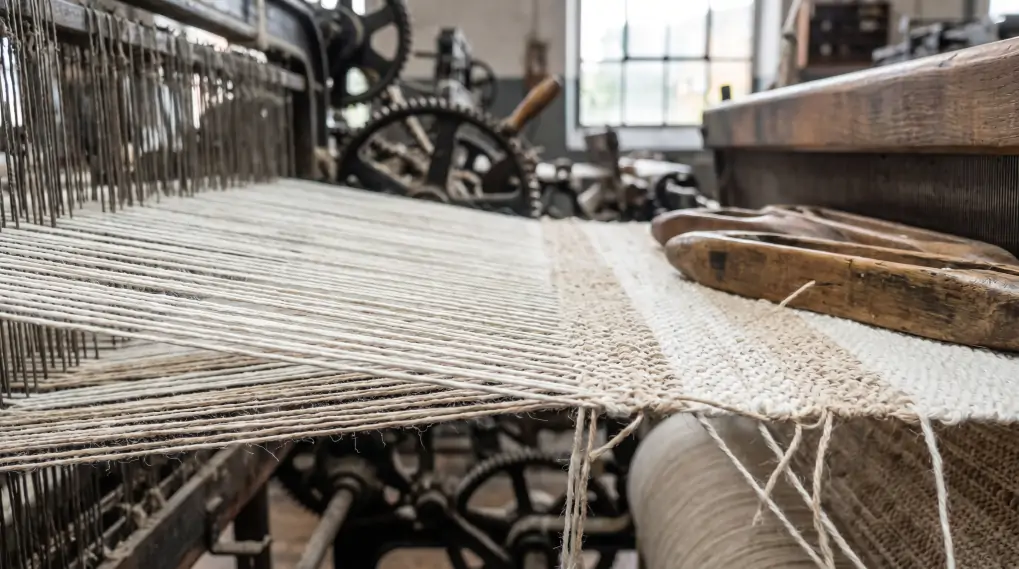
Long-Staple Cotton and the Procurement of Raw Slub
The quality of raw cotton directly impacts your minimum order quantity for custom towels in China strategy. Long-staple cotton (with fibers exceeding 1.25 inches) produces smoother, stronger yarns but requires more careful handling during processing.
For bulk custom towels factory direct MOQ programs, sourcing from factories with established relationships with premium cotton suppliers can reduce minimum thresholds while maintaining superior quality standards.
Technical Performance of 80/20 Microfiber Blends
Microfiber blends offer superior absorbency and quick-dry properties, making them ideal for commercial applications. However, the specialized yarn required for these blends often comes with higher production capacity for OEM towel factory China minimums.
The wholesale high GSM hotel towels bulk MOQ requirements for microfiber products typically start at 1,000 units due to the specialized extrusion processes involved in microfiber yarn production.
Impact of Sustainable Fiber Certificates (OEKO-TEX, GRS) on Sourcing
Certifications like OEKO-TEX Standard 100 and GRS add value to your product line but can influence minimum order quantity for custom towels in China requirements. Certified raw materials often come in larger batch sizes from approved suppliers.
For global market access, these certifications are non-negotiable for many buyers. Understanding how to leverage your certification requirements against production minimums is a key negotiation strategy.
Struggling with MOQ Barriers?
Learn how to negotiate better terms with our free procurement guide.
Get Your Procurement Roadmap4. The Economics of Scale in Chinese Textile Hubs
Amortizing Sunk Costs in Digital Pattern Programming
Every custom design requires a digital blueprint for the weaving machines. For a minimum order quantity for custom towels in China, this one-time technical fee is usually waived once the order exceeds a specific volume threshold—typically 2,000-3,000 units.
This amortisation model explains why OEM programs become increasingly cost-effective as order volumes grow. The initial investment in pattern programming gets distributed across more units, reducing per-towel costs significantly.
Tiered Pricing Models: 1,000 vs. 10,000 Units
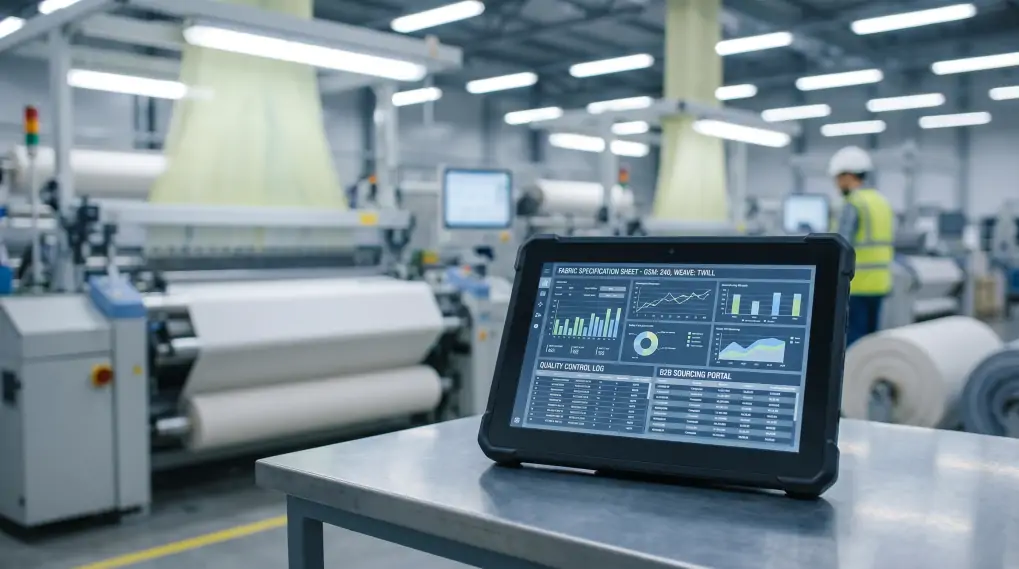
Understanding tiered pricing is essential for bulk towel manufacturing optimization. Most factories offer 3-5 pricing tiers, with each tier representing a 20-30% reduction in per-unit cost.
The low MOQ private label towel production China tier typically applies to stock yarn colors with standard sizes. Custom specifications or certifications usually require higher volumes to access competitive pricing.
Logistics Optimization: FCL vs. LCL Shipping Costs
Shipping economics significantly impact your effective minimum order quantity for custom towels in China. A Full Container Load (FCL) of 20ft typically holds 5,000-8,000 bath towels, while LCL (Less than Container Load) shipments incur significant consolidation fees.
For buyers negotiating MOQ with Chinese textile suppliers, aligning production volumes with container capacity can eliminate hidden logistics costs that often negate savings from lower MOQ agreements.
5. Navigating "Low MOQ" Claims: Risks for Professional Buyers
Quality Fade in Small-Batch Production
Factories offering suspiciously low minimum order quantity for custom towels in China often cut corners on quality control. Short runs provide less opportunity for process optimization and statistical quality assurance.
The MOQ for custom logo embroidery on bulk towels varies significantly by factory tier. Sub-standard facilities may offer 100-unit minimums but lack the equipment or expertise to maintain consistent quality across production runs.

The Hidden Costs of Using Stock Fabric for Customization
While stock fabric customization can reduce initial investment, it limits your design possibilities and may result in inconsistent product quality. Stock fabrics are produced for generic market demands, not specific client requirements.
Professional buyers understand that true custom beach towel manufacturing minimums should reflect genuine customization, not just logo application on generic base products.
Verification of Factory Direct Status vs. Middlemen
Distinguishing between factory direct relationships and middleman markup is crucial for procurement success. Different Factory have different MOQs, and middleman can choose the best factory to matched buyer's MOQ request..
Request video audits and industrial weaving machine capacity per batch documentation to verify factory capabilities. Tier-1 facilities should have at least 50+ high-speed looms and dedicated quality control laboratories.
6. OEM Program Logistics: From Prototype to Bulk Fulfillment
The Sampling Phase: Validating GSM and Hand-Feel
Professional OEM towel factory MOQ programs include comprehensive sampling phases. This typically involves 2-3 weeks for initial samples, with full pre-production approval before bulk manufacturing commences.
Validating GSM (Grams per Square Meter) and hand-feel during sampling prevents costly production errors. The minimum order quantity for custom towels in China should include sample costs as part of your total investment calculation.
Lead-Time Management for High-Volume Orders
Production lead times directly affect your bulk towel manufacturing planning. Standard lead times range from 4-6 weeks for stock items to 8-12 weeks for fully custom specifications.
For wholesale towel manufacturer MOQ requirements fulfillment, building 2-3 weeks of buffer time into your procurement schedule accounts for quality inspection, packaging, and documentation processing.

Managing Seasonal Production Spikes in China
Chinese textile manufacturing experiences seasonal demand fluctuations, particularly around Chinese New Year (January-February) and Golden Week (October). During these periods, minimum order quantity for custom towels in China may increase due to reduced factory availability.
Strategic procurement teams plan orders 3-4 months ahead of peak seasons to secure capacity and maintain bulk pricing advantages.
Ready to Start Your OEM Program?
Get a comprehensive quote tailored to your specifications.
Request OEM Program Details7. Quality Control Protocols (AQL) in Mass Manufacturing
Implementing AQL 1.5/4.0 Standards for Bulk Textiles
Acceptable Quality Limit (AQL) standards define the maximum number of defective items acceptable in a production batch. For bulk towel manufacturing, AQL 2.5 is standard for general items, while premium hospitality products often require AQL 1.5.
The minimum order quantity for custom towels in China directly impacts quality consistency. Larger production runs allow for better statistical sampling and more consistent results across the batch.
Tensile Strength and Dimensional Stability Testing
Professional OEM towel factory operations conduct tensile strength testing on every production batch. This ensures that wholesale high GSM hotel towels bulk MOQ products meet international durability standards.
Dimensional stability testing verifies that towels maintain their size and shape after multiple commercial wash cycles—a critical requirement for wholesale textile sourcing in the hospitality sector.
Post-Production Needle Detection and Cleaning
Industrial sewing operations require rigorous metal detection protocols. Every finished towel should pass through metal detection equipment to ensure no needles, pins, or metal fragments remain in the product.
For private label towel production limits, this post-production quality check is non-negotiable for market access in Europe, North America, and other regulated markets.
8. Strategic Negotiation: How to Lower Your MOQ Barrier
Utilizing Standard Color Palettes to Reduce Dyeing Minimums
A common strategy to lower the minimum order quantity for custom towels in China is to select "factory-standard" colors. By using yarn colors already in the production cycle, buyers can often bypass vat minimums.
Most factories maintain stock yarn programs with 20-50 standard colors available at reduced MOQ thresholds. This approach offers excellent value for buyers prioritizing bulk pricing over extensive color customization.
Consolidating SKU Variations into Single Production Runs
SKU consolidation is a powerful negotiating MOQ with Chinese textile suppliers strategy. Instead of ordering 500 hand towels and 500 bath towels as separate runs, consolidate into a single 1,000-unit order to qualify for better pricing.
This approach optimizes production capacity for OEM towel factory China utilization while reducing per-unit costs across your entire product range.
Long-Term Supply Contracts and Blanket Purchase Orders
Establishing long-term supply contracts with factories provides leverage for MOQ flexibility. Blanket purchase orders commit to annual volume in exchange for reduced minimums and locked pricing.
The minimum order quantity for custom towels in China for contract buyers often drops 30-50% compared to spot purchases, making annual commitments highly advantageous for established brands.
9. Hemming and Finishing: The Details of Industrial Quality
Double-Needle Stitching for Maximum Durability
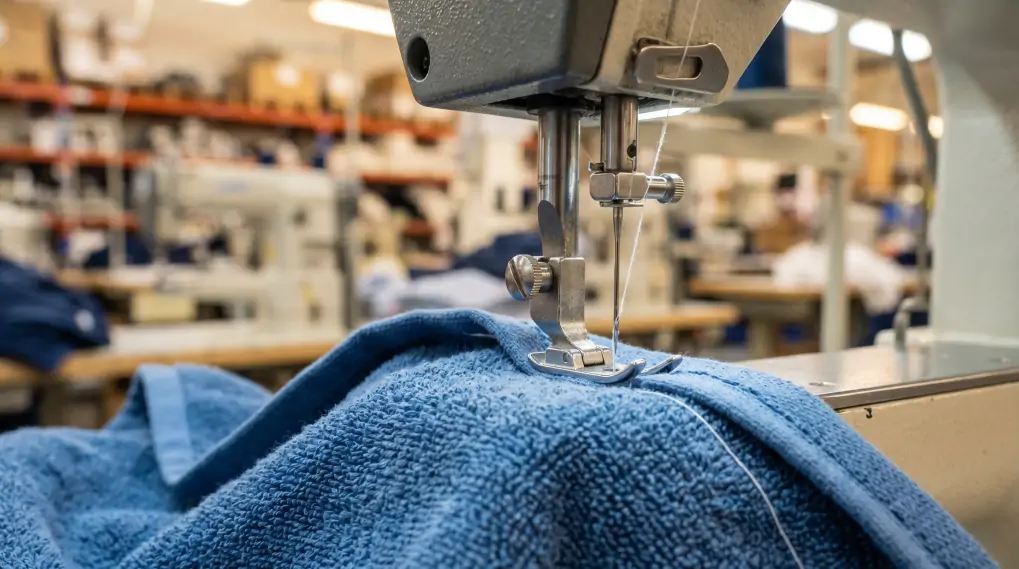
Industrial quality double-needle stitching provides superior edge durability for commercial use. This finishing technique requires specialized equipment and adds to production time, influencing bulk towel manufacturing costs.
For wholesale towel manufacturer MOQ requirements, double-needle finishing is typically included in standard specifications without MOQ penalty, though expedited timelines may affect pricing.
Custom Woven Labels and Private Label Packaging
Professional private label packaging elevates product presentation. Woven labels, hang tags, and custom packaging require separate production lines with their own minimum quantities.
The MOQ for custom logo embroidery on bulk towels often includes packaging minimums. Consolidating packaging orders across multiple product lines can achieve economies of scale.
Antimicrobial and Hydrophilic Surface Treatments
Functional finishes like antimicrobial treatments and hydrophilic coatings add value to custom beach towel manufacturing minimums but require specialized processing. These treatments typically add 2-3 weeks to production timelines.
For wholesale high GSM hotel towels bulk MOQ in premium segments, these treatments justify higher price points and differentiate products in competitive markets.
Enhance Your Product Line
Discover premium finishing options for your custom towels.
Explore Finishing Options10. Future Trends: Automation and Flexible Manufacturing
AI-Driven Loom Calibration for Smaller Batch Efficiency
The future of minimum order quantity for custom towels in China lies in automation. AI-driven loom calibration systems can reduce setup times by 60-70%, making smaller production runs economically viable.
Early adopters of this technology are already offering low MOQ private label towel production China programs that were impossible just five years ago.
Digital Sublimation: The Solution for Zero-MOQ Printing
Digital sublimation printing eliminates traditional setup costs entirely. While fabric costs remain constant, MOQ for custom logo embroidery on bulk towels no longer applies to printing processes.
This technology is particularly relevant for custom beach towel manufacturing minimums where design complexity and color variations are market differentiators.
Sustainable Wastewater Recovery in Modern Dyeing Plants
Environmental compliance increasingly influences wholesale textile sourcing decisions. Modern Chinese factories with wastewater recovery systems can offer competitive pricing while meeting international environmental standards.
The minimum order quantity for custom towels in China at eco-certified facilities may be slightly higher, but buyers gain assured compliance with EU REACH, US EPA, and other regulatory requirements.
11. Technical Specifications (EAV Model) for Procurement
Establishing Baseline Performance Metrics
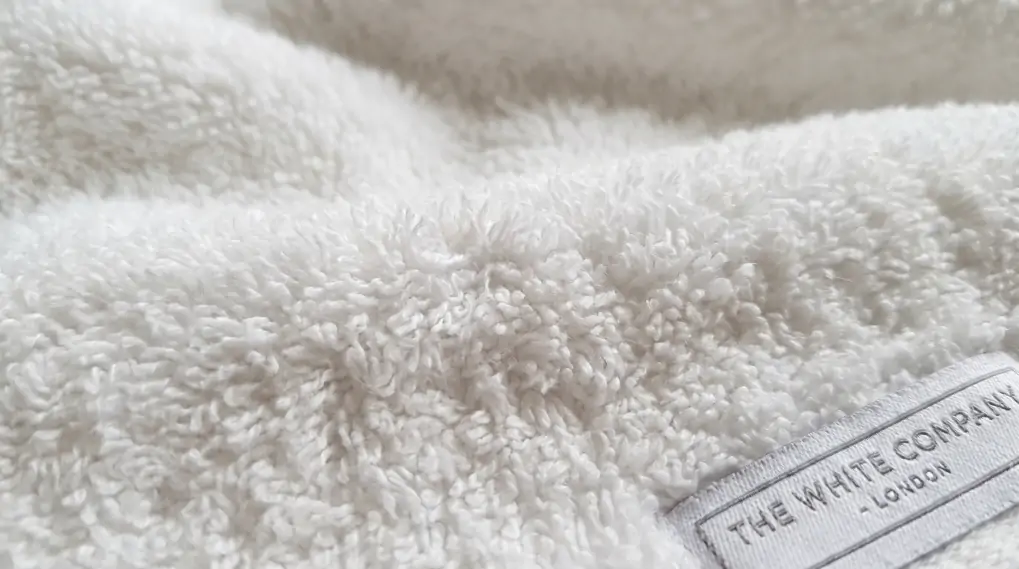
Professional bulk towel manufacturing requires clear specification of performance metrics. These baselines guide quality control and ensure consistency across production batches.
When evaluating wholesale towel manufacturer MOQ requirements, ensure your specifications align with industry standards and market expectations.
| Attribute | Specification (Industrial Standard) | B2B Strategic Value |
|---|---|---|
| Material | 100% Combed Cotton / GRS Polyester / Bamboo | Compliance & ESG Branding |
| GSM Range | 300 GSM - 800 GSM | Custom Weight for Industry Use |
| Yarn Count | 16s/1, 21s/1, 32s/2 Ring-Spun | Tensile Strength & Longevity |
| Colorfastness | Grade 4.0+ (ISO 105-B02) | Wash Resistance in Commercial Use |
| MOQ (Stock Yarn) | 200 - 500 Units | Scalable Entry for New Brands |
| MOQ (Custom Dye) | 1,000 - 3,000 Units | Optimization for Bulk Pricing |
| Certifications | OEKO-TEX Standard 100 / GRS / BSCI | Global Market Access |
Material Composition and Fiber Purity Standards
Clear material specifications prevent quality disputes and ensure wholesale textile sourcing alignment with marketing claims. Fiber purity testing should be included in your quality assurance protocol.
The minimum order quantity for custom towels in China should include fiber composition verification as standard practice.
Colorfastness to Light and Chlorine Testing
For wholesale high GSM hotel towels bulk MOQ in pool or spa environments, chlorine resistance testing is essential. Standard colorfastness grades ensure products maintain appearance through hundreds of commercial wash cycles.
Request industrial weaving machine capacity per batch documentation to verify testing protocols at your supplier facility.
12. Strategic Sourcing Conclusion: Beyond the Minimums
Choosing a Partner over a Vendor
Successful bulk towel manufacturing relationships transcend transactional MOQ discussions. The best supplier partnerships involve shared growth, collaborative innovation, and mutual commitment to quality excellence.
When evaluating negotiating MOQ with Chinese textile suppliers, consider long-term partnership value over short-term cost minimization.
Mitigating Global Supply Chain Risks in Textiles
Modern wholesale textile sourcing requires robust risk management. Geopolitical factors, transportation disruptions, and currency fluctuations all impact effective private label towel production limits strategies.
Building production capacity for OEM towel factory China diversification into your procurement strategy provides resilience against single-source vulnerabilities.
Finalizing Your B2B Procurement Roadmap
Your minimum order quantity for custom towels in China strategy should align with broader business objectives. Market positioning, brand requirements, and growth projections all influence optimal procurement decisions.
The information in this guide provides the technical foundation for informed procurement decisions. Partner with facilities that demonstrate factory direct capabilities and commit to your long-term success.
Frequently Asked Questions
Q: Why is the MOQ for Jacquard towels higher than for embroidered towels?
A: Jacquard weaving integrates the logo into the fabric's structure during the weaving process. This requires a full machine setup (warp/weft programming), which is only cost-effective at higher volumes. Embroidery is a secondary process applied to finished towels, allowing for more flexibility.
Q: Can I lower my MOQ by choosing standard factory colors?
A: Yes. Most factories maintain a "stock color" program for common 21s or 32s yarns. By selecting these colors, you eliminate the need for a dedicated dyeing run, which can reduce your minimum order quantity for custom towels in China significantly.
Q: How do I verify a factory's true production capacity?
A: Request a video audit focusing on the loom count and dyeing vat sizes. A Tier-1 facility should have at least 50+ high-speed looms and a dedicated QC laboratory with AQL testing equipment.
Secure Your Industrial Advantage with a High-Capacity Manufacturing Partner
Don't let rigid MOQs derail your procurement strategy. Partner with a factory that offers the technical flexibility and industrial scale you need to grow your brand. Whether you are scaling a hotel supply chain or launching a premium outdoor brand, our OEM programs are designed for performance.