China Towel Wholesale Suppliers for Small Business: 2026 Complete Sourcing Guide
Are you a small business owner or procurement manager tired of hitting walls with high Minimum Order Quantities (MOQs)? Do you struggle to find a factory that prioritizes quality for smaller batches? You are not alone. Sourcing textiles directly from China has historically been a volume game, leaving boutique brands, gyms, and hotels at the mercy of expensive local middlemen.
This comprehensive guide changes that narrative. In this post, we will navigate the ecosystem of China towel wholesale suppliers for small business, providing you with actionable strategies to secure factory-direct pricing, custom OEM solutions, and premium quality without purchasing container loads.
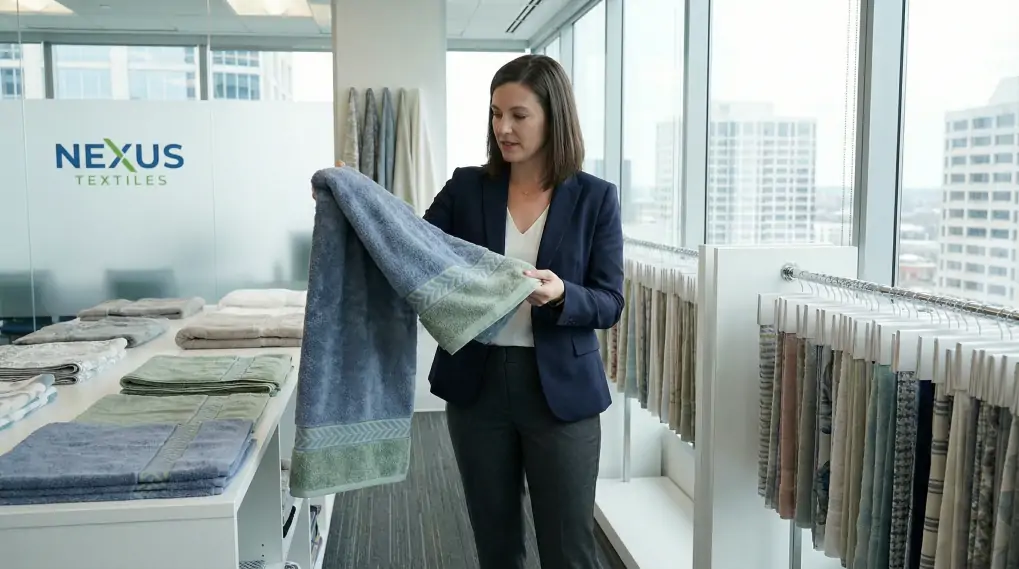
1. The Evolution of Chinese Manufacturing: Small Business Accessibility
The landscape of Chinese manufacturing is experiencing a fundamental shift. Historically, factories operated on a "pile it high, sell it cheap" model, requiring orders in the tens of thousands. However, the rise of e-commerce and niche branding has forced a structural transformation. Agile manufacturing is no longer just a buzzword; it is an industry necessity.
The Rise of "Micro-Customization" in Textile Production
Modern suppliers, including EverBen Towels Manufacturers, have retooled production lines to accommodate "micro-customization." This revolutionary approach utilizes digital weaving technologies and flexible dyeing vats that can handle smaller batches efficiently. For a small business, this opens the door to creating a unique brand identity without the financial risk of massive inventory investment.
Factory-Direct Benefits Beyond Cost Savings
By bypassing trading companies, you gain unprecedented control over technical specifications. You are not just buying a towel; you are engineering a product. This direct relationship enables tighter quality control loops and faster communication regarding GSM (Grams per Square Meter), yarn counts, and finishing techniques.
Furthermore, these relationships build long-term scalability. As your small business grows, your factory partner becomes integrated into your supply chain, ready to scale production instantly while maintaining quality standards.
2. Mastering MOQ Negotiation Strategies
MOQ is often the biggest barrier to entry when dealing with China towel wholesale suppliers for small business. Understanding how to navigate this is crucial for successful procurement.
Standard vs. Flexible MOQ Approaches
A standard factory might ask for 3,000 pieces per color variation. However, flexible suppliers utilize stock yarn programs strategically. If you choose a standard color from the factory's existing yarn inventory, MOQs can often drop to as low as 100 or 300 pieces. This approach allows you to test the market with minimal capital exposure while maintaining quality standards.
The "Annual Program" Strategy
Instead of approaching your inquiry as a one-off order, structure it as an annual procurement program. Factories are significantly more likely to lower the initial MOQ if they see a projected annual volume and growth trajectory. Presenting a quarterly purchasing plan demonstrates professional intent and operational stability.
Order Consolidation and Production Sharing
Another sophisticated strategy involves order consolidation. If the factory is running a production line for a major client using specific specifications, a small business can "piggyback" on this run for a smaller quantity. This requires flexibility on your part regarding exact timing, but offers substantial cost savings and maintains production quality.
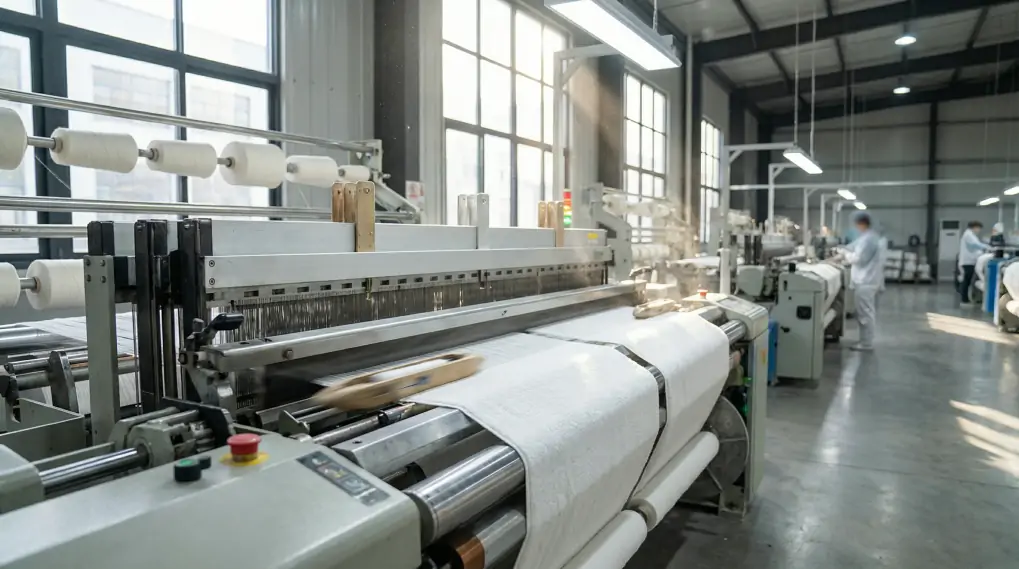
3. Advanced Material Science: Selecting Optimal Fiber Technologies
The core of any towel lies in its fiber composition. Your material choice directly dictates the price point, absorption capability, durability, and market positioning.
Premium Cotton Varieties and Specifications
Cotton remains the gold standard for absorbency and comfort. However, not all cotton is created equal. Sourcing long-staple cotton (often marketed as Egyptian or Pima quality) ensures reduced lint production and significantly higher durability. For B2B buyers, verify the staple length specifications to avoid "carded" cotton that feels粗糙 after multiple wash cycles.
Microfiber Technology and Innovation
For gyms, automotive detailing, and beach travel brands, microfiber technology offers superior performance. It provides lightweight construction, rapid drying capabilities, and exceptional color retention. Look for split-microfiber technology, which increases the surface area exponentially for dirt and water retention, enhancing cleaning efficiency.
Sustainable Bamboo Fiber Solutions
Bamboo fiber offers natural anti-bacterial properties and hypoallergenic characteristics, making it a premium choice for luxury spas and baby care brands. A strategic 70/30 Bamboo/Cotton blend often provides the perfect balance of softness and structural integrity for commercial applications.
4. Customization Technologies and Branding Excellence
To differentiate your product in competitive markets, your towel must carry your brand identity flawlessly. Here are the primary techniques employed by leading manufacturers for custom towels manufacturing.
Jacquard Weaving: The Premium Option
Jacquard represents the most premium branding option where the logo is woven directly into the fabric structure using different colored yarns. This technique provides a reverse image on the back and creates a high-end, tactile experience that does not fade over time. It is ideal for hotels, luxury resorts, and premium brands seeking lasting quality.
Precision Embroidery for Small Orders
For smaller order quantities, embroidery offers a cost-effective solution. High-speed multi-head embroidery machines can apply dense, precise logos to finished towels efficiently. Ensure your supplier uses color-fast threads specifically designed to withstand high-temperature industrial laundering and repeated washing cycles.
Reactive Printing Technology
Unlike pigment printing which sits on top of the fabric (creating a rough hand-feel), reactive printing penetrates the fiber at a molecular level. This results in exceptional soft hand-feel and vibrant colors that withstand numerous washing cycles, perfect for complex, full-color designs and beach towel applications.
5. Technical Specifications: The Professional EAV Model
When communicating with towel manufacturers, precision prevents costly errors. Use the comprehensive table below to define your requirements professionally.
| Technical Attribute | Available Options/Specifications | Commercial Application Note |
|---|---|---|
| GSM (Weight) | 300-900 Grams per Square Meter | Higher GSM = heavier/plush feel. 400 GSM standard, 600+ GSM for luxury market. |
| Yarn Count Configuration | 16s, 21s, 32s (Single vs. Double Loop) | Double loop (21s/2) offers superior durability for commercial/hotel applications. |
| Weft Yarn Type | Ring Spun vs. Open End | Always specify Ring Spun for optimal softness and structural strength. |
| Border Construction | Dobby vs. Cam borders | Dobby borders allow decorative patterns; Cam provides clean, professional appearance. |
| Color Fastness Rating | Grade 3-4 or 4-5 (ISO standards) | Critical for towels exposed to chlorine, heavy washing, or outdoor use. |
| Shrinkage Control | Pre-shrunk, Sanforized | Maximum 8% shrinkage after 10 washes for commercial quality standards. |
6. Quality Assurance: Beyond the Golden Sample Protocol
A common procurement pitfall is receiving a perfect "Golden Sample" but substandard bulk shipments. Implementing robust quality assurance protocols is mandatory for successful B2B relationships.
AQL Implementation Standards
Implement an AQL (Acceptable Quality Limit) of 2.5/4.0 in your contract specifications. This statistical sampling method ensures that the number of defects in any batch remains within a mathematically acceptable range. If inspection fails, the factory must rework the entire order at their expense.
Third-Party Inspection Services
Even for small business orders, investing in third-party inspection agencies for "Final Random Inspection" before shipment prevents the costly nightmare of receiving defective goods too expensive to return to China. Professional inspection services cost approximately 2-3% of order value but provide invaluable peace of mind.
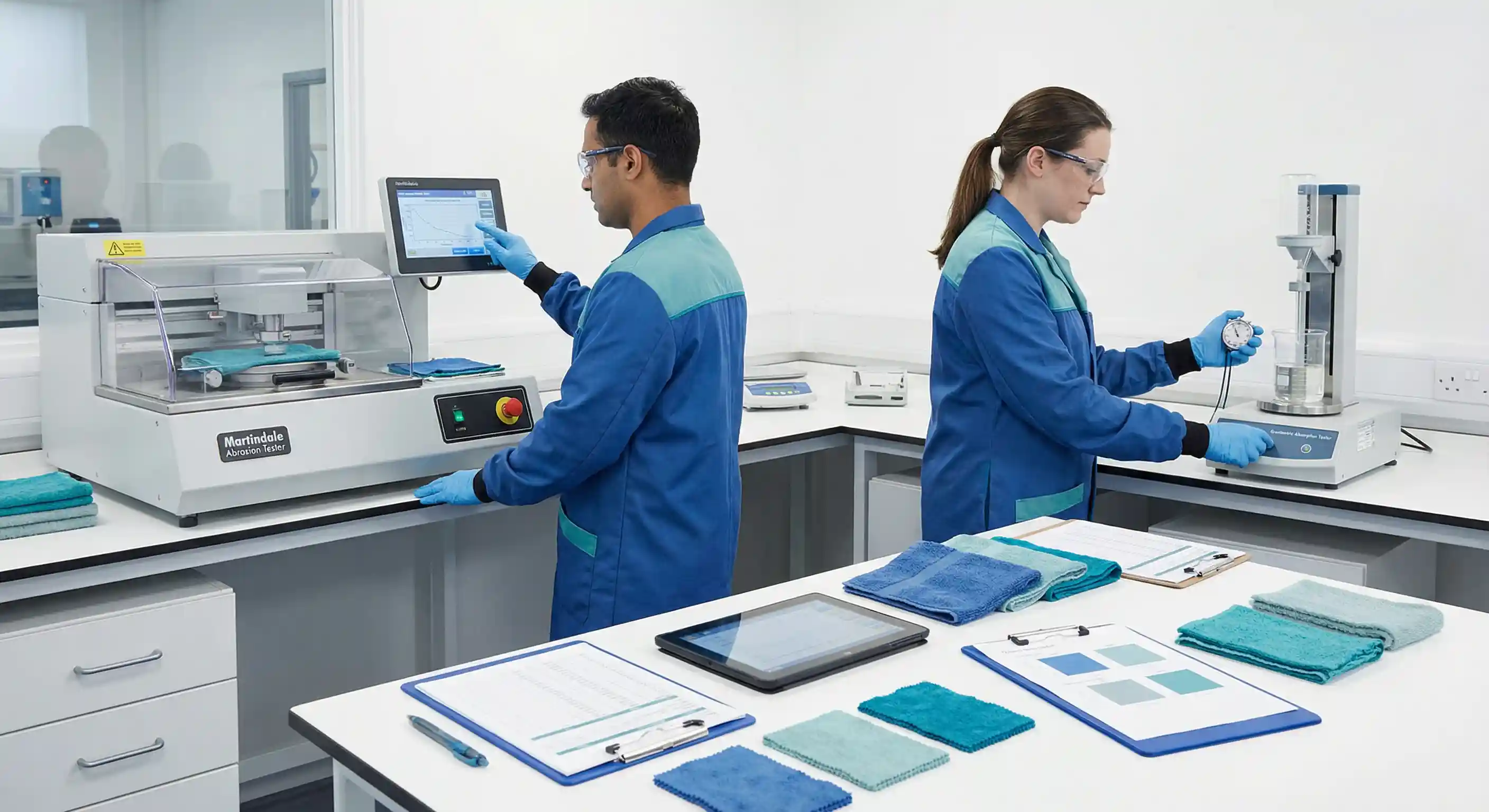
Internal Laboratory Testing Requirements
Request comprehensive internal lab reports covering shrinkage performance (target: < 8%), skewing tolerance, and tensile strength. Reputable factories maintain in-house testing equipment to monitor these critical metrics daily and can provide detailed testing certificates.
7. International Logistics and Landed Cost Optimization
The factory price is not your final landed cost. Accurate "Landed Cost" calculation ensures genuine profitability and competitive pricing.
Strategic Shipping Terms (Incoterms Analysis)
For small businesses without import experience, DDP (Delivered Duty Paid) shipping represents optimal value. The supplier handles shipping, customs clearance, duty payment, and delivers directly to your warehouse door. This removes administrative burden and import expertise requirements while providing predictable costs.
Volumetric Weight Management
Towels are inherently bulky and lightweight. Shipping carriers charge based on the greater of actual weight or volumetric weight. Request vacuum packaging from your supplier. This innovative packaging can reduce carton volume by up to 50%, dramatically lowering air or sea freight costs while maintaining product integrity.
Realistic Production Lead Times
Accurate timeline planning prevents costly stockouts. Custom dyeing requires 15-20 days, weaving takes 10-15 days, finishing and packing require 5 days. Add 30 days for sea freight or 7-10 days for air freight. Plan inventory 3 months in advance to ensure seamless business operations.
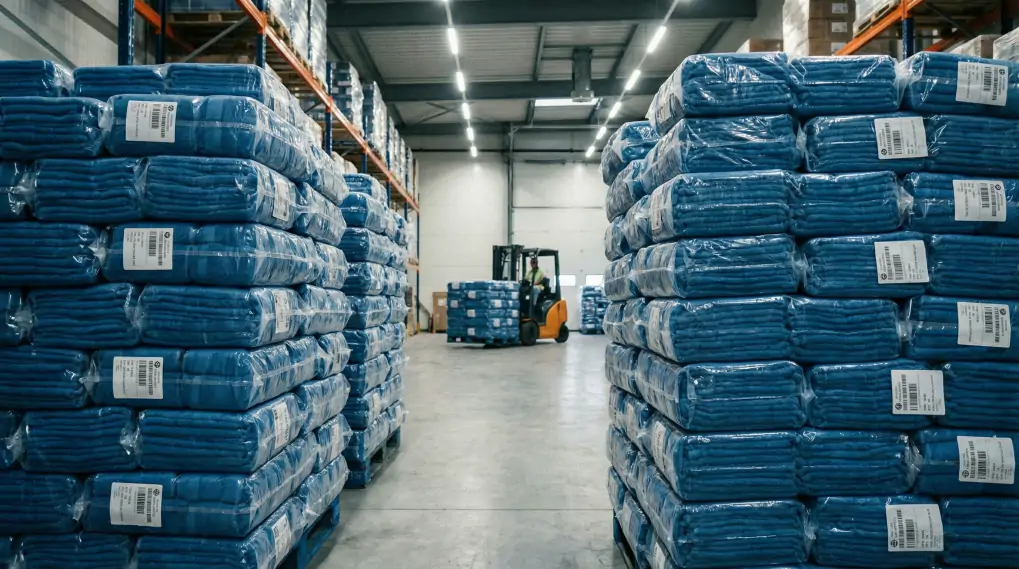
8. Professional Private Labeling and Premium Packaging Solutions
In the competitive B2B marketplace, presentation drives value perception. Your packaging represents the first physical brand touchpoint with end customers.
Regulatory Compliance and Branding Opportunities
Custom wash labels serve dual purposes: legal compliance requirements and valuable branding real estate. Include your website, care instructions, and brand messaging. Hang tags add retail appeal and communicate brand story—crucial for premium organic or bamboo product lines in specialized markets.
Premium Finishing Options
For gift sets or luxury product tiers, belly bands (decorative paper wraps) provide cost-effective perceived value enhancement. These hold folded towels neatly while providing extensive canvas space for graphics, marketing copy, and promotional messaging.
E-Commerce Fulfillment Integration
For Amazon FBA or other marketplace sales, suppliers must apply FNSKU barcodes according to strict marketplace guidelines. Experienced factories understand these requirements and will label both cartons and individual units precisely according to marketplace specifications.
9. Supplier Vetting: Critical Red Flags and Verification Protocols
Not all suppliers are genuine manufacturers. Many are trading companies masquerading as factories, which compromises quality control and pricing transparency.
Virtual Factory Tours and Verification
Request live video calls touring the actual production floor. Authentic factories will enthusiastically walk you through weaving halls, dyeing facilities, and packing lines. Red flags include refusal to provide tours, poor video quality "due to technical issues," or reluctance to show specific equipment.
Certification Verification Processes
Never accept PDF logos of certifications like Oeko-Tex or ISO 9001. Always request specific certificate numbers and verify them directly on the certifying body's official website. Expired, forged, or non-applicable certificates are common among lower-tier trading companies.
Communication Quality Assessment
Test responsiveness and technical knowledge. Professional B2B partners respond within 24 hours with detailed, technical answers—not simple "yes, we can do it" responses. Technical expertise in communications indicates genuine proximity to production processes and quality control.
10. Sustainability and Eco-Friendly Manufacturing Practices
Sustainability is no longer optional; it represents a competitive advantage and consumer demand. Sourcing eco-friendly towels justifies premium pricing and appeals to environmentally conscious buyers.
Recycled Material Integration (RPET Technology)
Towels manufactured from recycled plastic bottles blended with cotton are gaining significant market traction. GRS (Global Recycled Standard) certification is mandatory to verify recycled material origin and environmental claims.
Advanced Water Treatment Systems
Dyeing textiles is water-intensive. Responsible factories implement closed-loop water treatment systems recycling up to 90% of water used in dyeing processes, preventing environmental pollution while reducing operational costs.
Organic Cotton Certification
GOTS (Global Organic Textile Standard) certified cotton ensures no harmful pesticides were used in farming. This certification is essential for baby towels, sensitive skin products, and premium organic market segments.

11. Comprehensive Cost Analysis and Margin Optimization
Successful B2B operations require understanding detailed product cost breakdown and margin optimization strategies.
Raw Material Cost Impact Analysis
Cotton prices fluctuate significantly on global commodity markets. Reliable suppliers provide market trend analysis and cost forecasts. Approximately 50-60% of total towel cost represents raw yarn. Remaining costs include labor (15-20%), energy (10-15%), and overhead (10-15%).
Currency Risk Management
USD/CNY exchange rate fluctuations affect final pricing substantially. Professional suppliers offer price locking for 3-6 month periods, protecting margins against currency volatility and enabling accurate financial planning.
Hidden Cost Identification
Factor bank transfer fees (0.5-1%), sample costs (typically $50-200), and potential duty rate changes. Maintain 5-10% cost buffer in margin calculations for unforeseen logistics expenses and market fluctuations.
12. Future Technology Trends in Towel Manufacturing
Staying ahead of technological advancement maintains competitive advantage and positions your business for future market opportunities.
Smart Textile Integration
Emerging technologies include towels with embedded fibers that change color when contaminated or contain silver ions providing permanent anti-bacterial properties without chemical coatings. These innovations command premium pricing and differentiate products in saturated markets.
Hyper-Personalization Technologies
Digital printing technology advancement enables "Print on Demand" viability for towels at commercial scale. Individual customer names, photos, or designs can be printed on high-quality towels instantly, opening new market segments and customization opportunities.
Zero-Waste Manufacturing Innovation
3D weaving technologies are emerging that weave towels to exact required shapes, eliminating cutting waste entirely from production processes. This reduces material costs and aligns with sustainability initiatives while improving production efficiency.
Frequently Asked Questions (B2B Towel Sourcing)
What is the typical lead time for custom towel samples?
For custom jacquard or dyed samples, standard lead time is 7-20 business days. Printed samples can be expedited to 3-5 days. Stock samples are typically shipped within 24 hours via express courier for immediate evaluation.
Can I mix different colors to meet MOQ requirements?
Yes, professional suppliers often allow clients to split total MOQ across 2-3 color variations, provided yarn type and size specifications remain consistent. This strategy helps small businesses offer product variety while managing inventory effectively.
Do you offer DDP shipping to USA and European markets?
Absolutely. We provide comprehensive shipping solutions including DDP air freight (7-15 days) and sea freight (25-65 days), ensuring goods arrive at your warehouse with complete customs clearance and no administrative burden on your end.
What payment terms are standard for small business orders?
Standard commercial terms require 30% deposit to commence production, with remaining 70% balance payable before shipment following successful QC inspection. We accept T/T bank transfers, L/C letters of credit, and West Union.
What customization techniques work best for different order quantities?
Jacquard weaving suits orders 3000-10000+ pieces, embroidery works well for 500+ pieces, reactive printing requires 500+ pieces for cost efficiency. Stock color programs can reduce MOQ to 100 pieces across various customization options.
How do you ensure consistent quality across production runs?
We maintain detailed production records, implement strict AQL 2.5/4.0 inspection standards, and provide pre-production samples for approval. Each production run includes quality control checkpoints and detailed inspection reports.